管理者によって
Selecting the right medical tape factory is one of the most consequential decisions a wholesale buyer or distributor can make, since the quality, safety, and consistency of the tape produced directly affects patient outcomes and brand reputation downstream. Medical tape is used across an enormous range of applications, from securing dressings and IV lines to supporting surgical procedures, which means the manufacturing standards behind the product carry real clinical weight. Buyers who take shortcuts during supplier evaluation often discover quality issues only after products have already reached end users, making upfront due diligence essential rather than optional.
A capable medical tape factory needs to demonstrate more than basic production capacity. It must show consistent adhesive performance, reliable material sourcing, validated sterilization or hygiene processes where applicable, and the flexibility to support custom specifications for different markets and use cases. This article walks through the key factors buyers should evaluate, the core production elements that define tape quality, and what a dependable long-term manufacturing partnership should look like.
Medical tape quality is determined by a combination of raw material selection, adhesive formulation, and manufacturing precision. Understanding these core elements helps buyers ask more informed questions when evaluating a potential supplier.
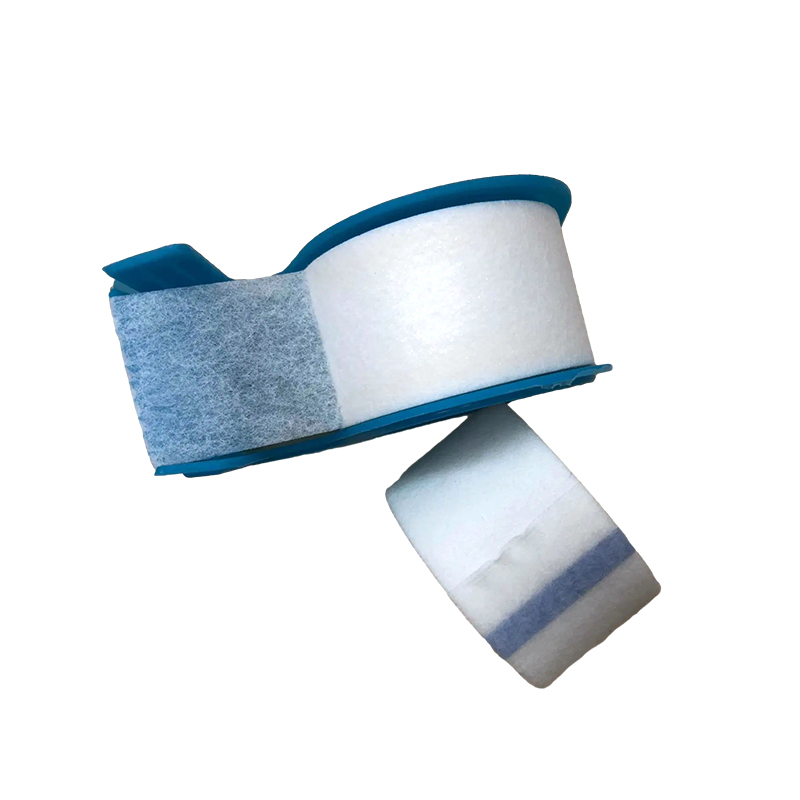
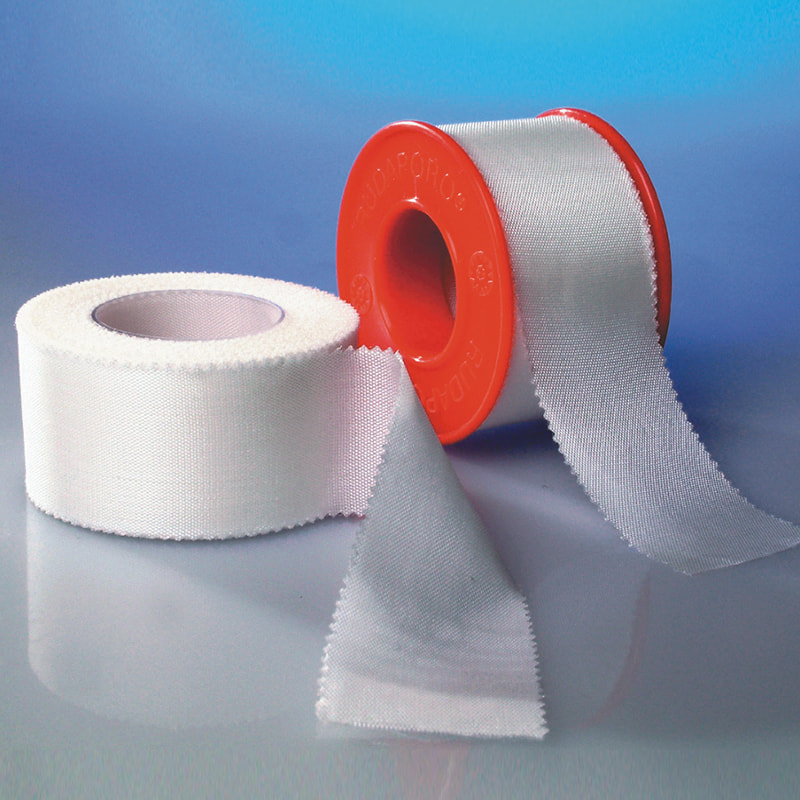
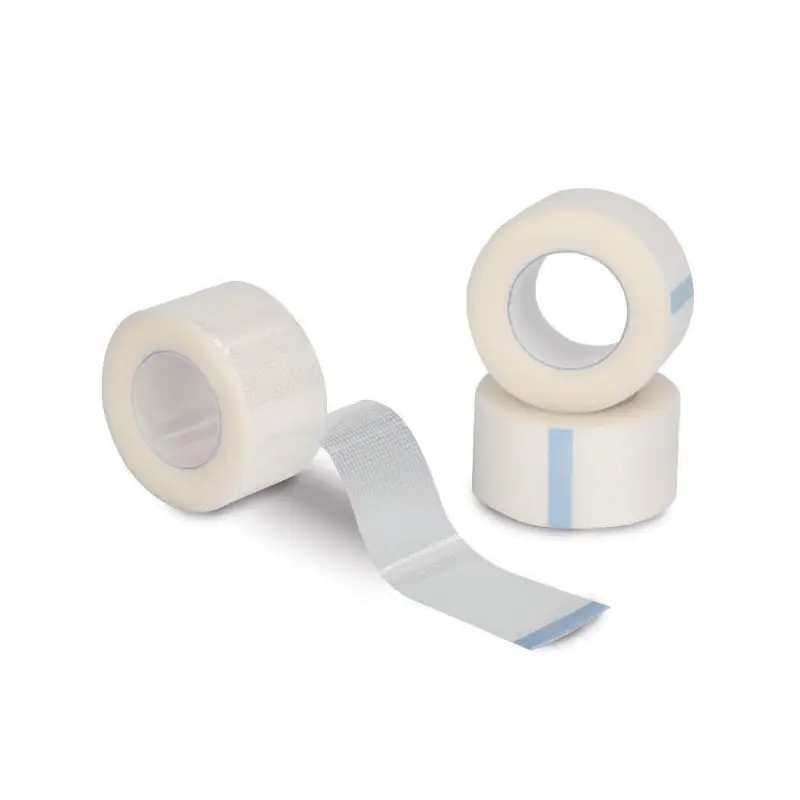
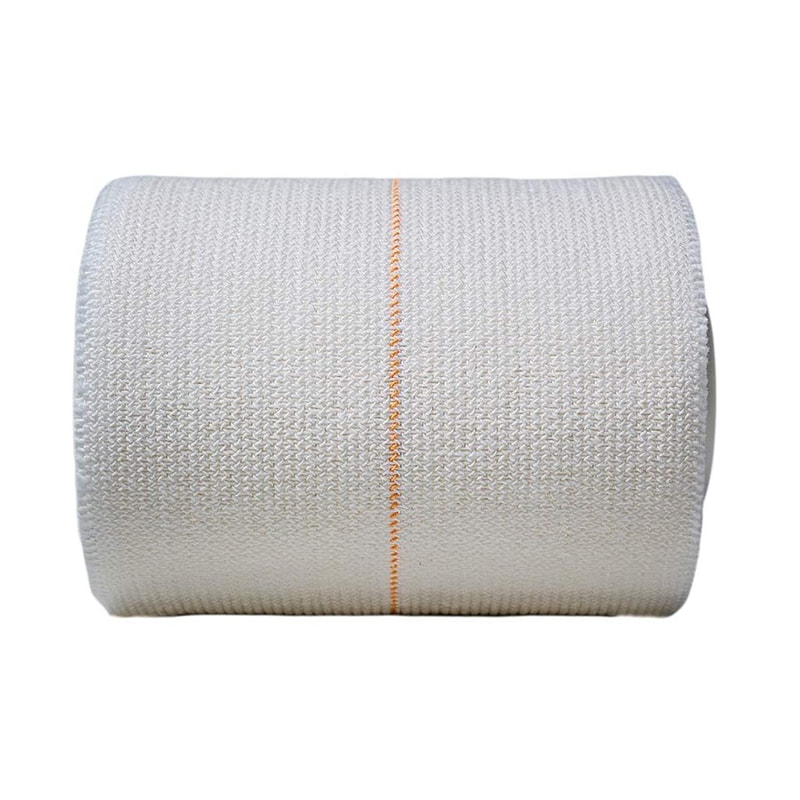
The backing material of medical tape, whether cloth, paper, foam, or a synthetic film, determines much of the tape's flexibility, breathability, and comfort during wear. Cloth-based backings tend to offer strong conformability for securing dressings on flexible body areas, while paper backings are often chosen for their gentleness on sensitive or fragile skin. A well-run medical tape factory maintains strict quality control over backing material sourcing to ensure consistent texture, strength, and tear resistance across every production batch.
The adhesive layer is arguably the most critical component of any medical tape product, since it must bond securely to skin or dressing materials while remaining safe for repeated or prolonged contact. Medical-grade acrylic or hypoallergenic adhesives are commonly used to reduce the risk of skin irritation, particularly for patients with sensitive skin or those requiring frequent dressing changes. Buyers should request testing documentation confirming adhesive safety and skin compatibility before committing to bulk orders.
Consistent roll width, edge quality, and cutting precision are important indicators of manufacturing discipline within a medical tape factory. Uneven cutting can lead to product waste, application difficulties, and inconsistent user experience, particularly for clinical settings where precise tape sizing matters for effective dressing security. Reliable manufacturers invest in calibrated cutting equipment and regular quality checks to maintain tight production tolerances across large order volumes.
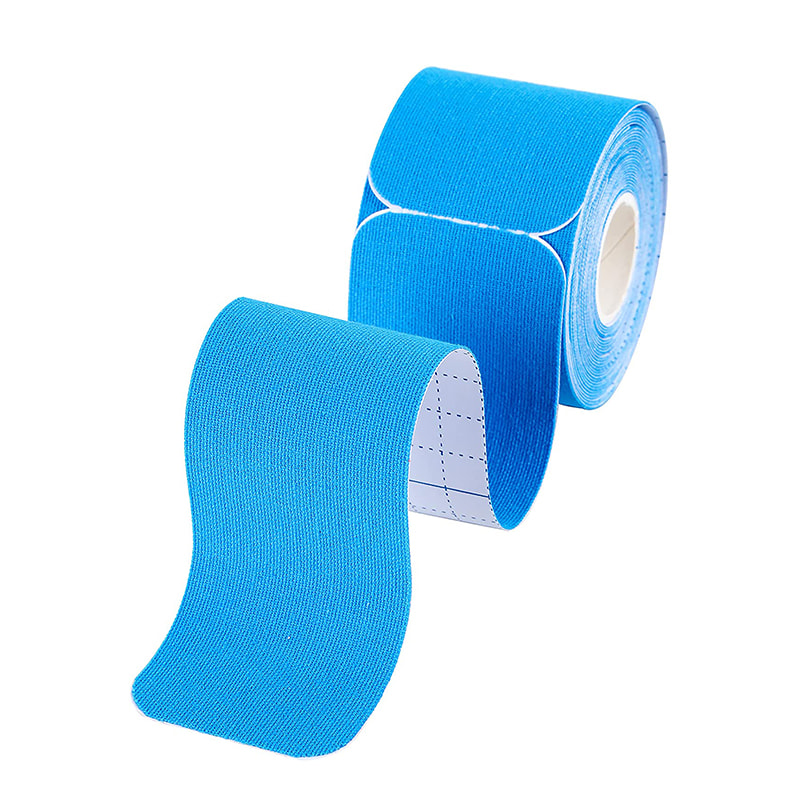
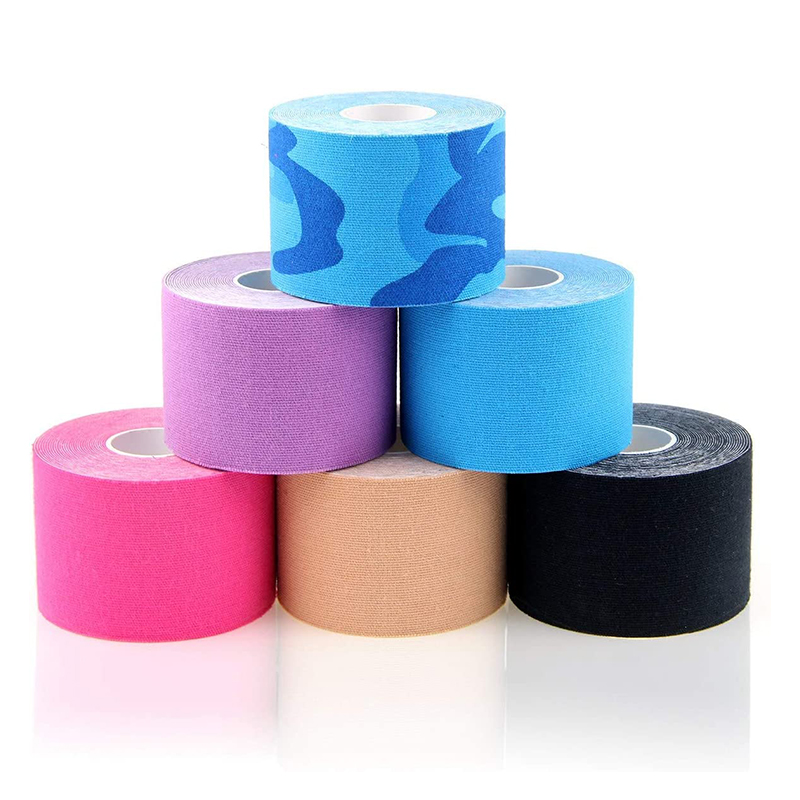
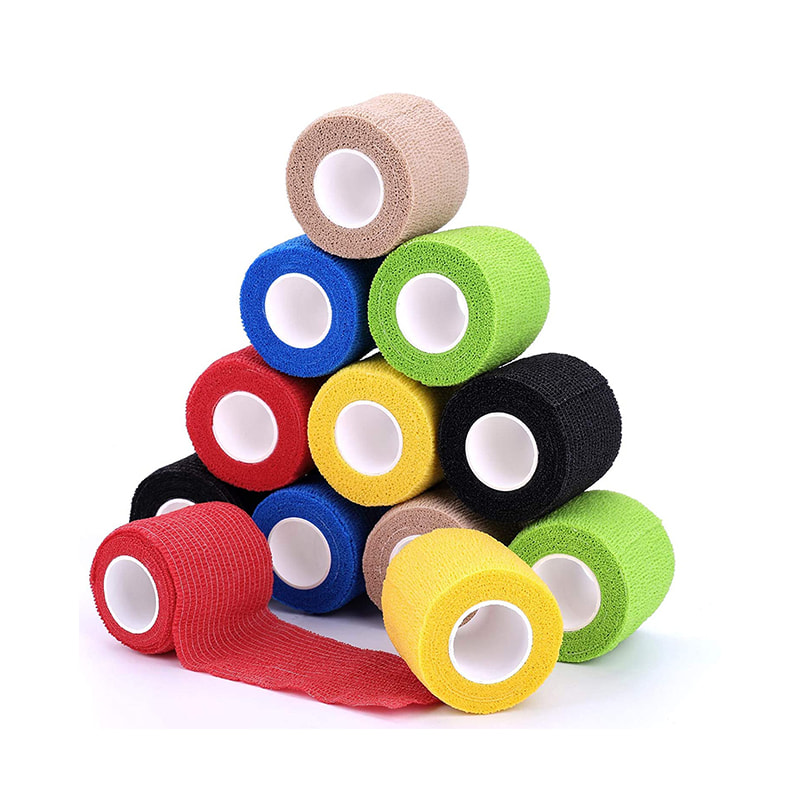
Medical tape is produced in several distinct formats, each suited to different clinical and first aid applications. Understanding these categories helps buyers determine which product lines they should prioritize when sourcing from a manufacturing partner.
Because these formats serve distinct clinical purposes, distributors often benefit from working with a single manufacturing partner capable of producing multiple tape types, which simplifies supply chain management and reduces the complexity of coordinating with several separate suppliers.
Not every manufacturer offers the same level of production capability, quality assurance, or customization flexibility. The table below outlines key evaluation factors buyers should weigh when comparing potential suppliers for bulk medical tape sourcing.
| Evaluation Factor | Why It Matters | What to Request |
| Adhesive Testing | Confirms skin safety and bonding strength | Lab test reports and samples |
| Production Capacity | Ensures reliable fulfillment of large orders | Daily output figures, facility size |
| Customization Options | Supports brand differentiation and market fit | OEM/ODM service details |
| Compliance Documentation | Reduces regulatory and reputational risk | Certifications, quality management records |
Many wholesale buyers and distributors are not simply looking for a generic product, but rather a manufacturing partner capable of tailoring tape specifications to their specific brand and market requirements. OEM services allow buyers to apply their own branding to an established product formulation, while ODM services involve closer collaboration on custom specifications such as backing material, adhesive strength, roll width, and packaging design.
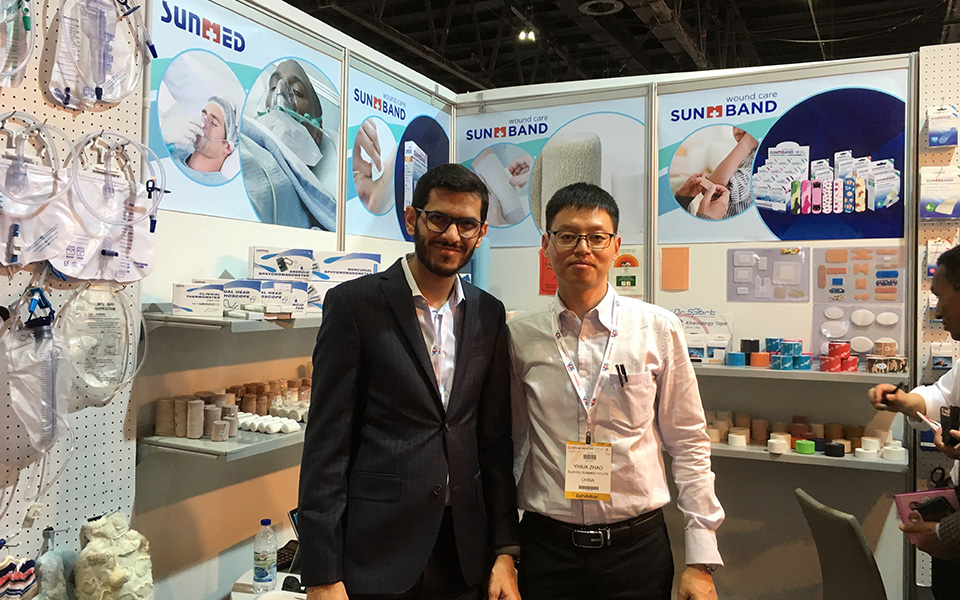
Suzhou Sunmed Medical Tape supports both OEM and ODM production models, allowing buyers to either private-label an established tape formulation or work directly with the factory's technical team to develop a customized product suited to their target market. This flexibility is particularly valuable for distributors expanding into new regions with distinct regulatory requirements or consumer preferences, since a responsive manufacturing partner can adjust formulations and packaging accordingly without requiring the buyer to switch suppliers entirely.
Because medical tape is applied directly to skin and used across clinical, surgical, and first aid contexts, regulatory compliance is a non-negotiable requirement for any credible manufacturing partner. A dependable medical tape factory maintains documentation confirming adherence to recognized medical device manufacturing standards and conducts regular batch testing to verify adhesive safety, tensile strength, and material consistency.
Buyers sourcing tape for distribution into hospital systems, pharmacy chains, or regulated medical markets should request full compliance documentation before finalizing large orders, since regulatory gaps discovered after distribution can result in costly recalls or reputational damage. Suzhou Sunmed Medical Tape maintains quality control processes designed to support consistent compliance across production batches, helping buyers reduce this risk when scaling their orders over time.
Sourcing medical tape at wholesale volume works best as an ongoing partnership rather than a series of one-off transactions. As order volumes grow, buyers benefit significantly from working with a manufacturer capable of scaling production efficiently while maintaining consistent adhesive performance and material quality across every batch produced.
A dependable manufacturing partner should communicate transparently about production timelines, remain flexible during periods of fluctuating demand, and demonstrate a genuine commitment to quality consistency rather than treating each order as an isolated transaction. Suzhou Sunmed Medical Tape emphasizes building long-term cooperative relationships with distributors and wholesale buyers, focusing on satisfying evolving product needs as customer businesses grow and expand into new markets.
Ultimately, choosing the right medical tape factory requires balancing raw material quality, adhesive safety, customization flexibility, and proven regulatory compliance. Buyers who thoroughly evaluate these factors before committing to a bulk order are better positioned to build a reliable, competitive product line that meets both clinical performance expectations and long-term business goals.